When people think about UNESCO in Indonesia, they usually think about places like Borobudur, Prambanan, or Komodo. But some of Indonesia’s most important heritage is not a monument at all. It is living culture: music, craft, oral tradition, healing knowledge, martial arts, dance, poetry, and the community practices that keep those traditions alive.
That matters to us at Wicked Adventures because we do not see culture as a decorative extra on a tour. We use these experiences intentionally because they help guests understand Indonesia more deeply, and because they often explain the place better than a viewpoint or museum label ever could.
UNESCO currently recognises twelve elements from Indonesia on its Intangible Cultural Heritage lists, including Wayang, Batik, Angklung, Saman dance, Gamelan, Jamu, and Pinisi boatbuilding. These labels are useful because they highlight traditions that deserve attention and can support safeguarding, education, and intergenerational transmission. But recognition alone does not preserve living culture. Heritage stays alive when communities continue to practice it, teach it, adapt it, and retain control over how it is shared.
What Is Intangible Cultural Heritage?
Intangible cultural heritage is heritage that lives through people rather than through buildings. UNESCO uses the term for traditions, practices, and knowledge systems passed from one generation to the next, including performing arts, rituals, oral traditions, craftsmanship, and knowledge concerning nature and the universe.
That distinction matters in Indonesia. A temple can be restored physically, but a musical tradition or a healing practice only survives if people still value it enough to keep doing it. That is why intangible heritage is not static. It is either alive, changing, and meaningful, or it is fading.
For us, this is one of the best ways to explain Indonesia to guests. The country is not only rich because it has deep history. It is rich because so much of that history is still active in everyday life, from how people perform, heal, build, celebrate, and pass on knowledge.
Why UNESCO Recognition Helps…And Why It Can Be Complicated
UNESCO recognition can be very beneficial. It can raise visibility, strengthen community pride, support documentation, encourage educational programmes, and help governments and local organisations invest in safeguarding traditions that might otherwise be ignored.
At the same time, heritage scholars and tourism research point out a real risk. Once a living tradition becomes marketable, it can be simplified, staged, or detached from its original context in order to fit visitor expectations. In other words, a tradition may become more visible while becoming less meaningful in practice if communities lose agency over how it is presented.
That tension matters to us. We think cultural experiences work best in travel when they add understanding, not just spectacle. The goal is not to “consume” culture. The goal is to help guests read Indonesia more clearly while respecting that these are living traditions first, visitor experiences second.
Wayang: Storytelling, Memory, and Meaning
Wayang is one of the clearest examples of Indonesia’s living heritage because it is never just one thing. It combines storytelling, music, craftsmanship, philosophy, religious influence, humour, and the extraordinary skill of the dalang, the puppet master who narrates and directs the whole performance.
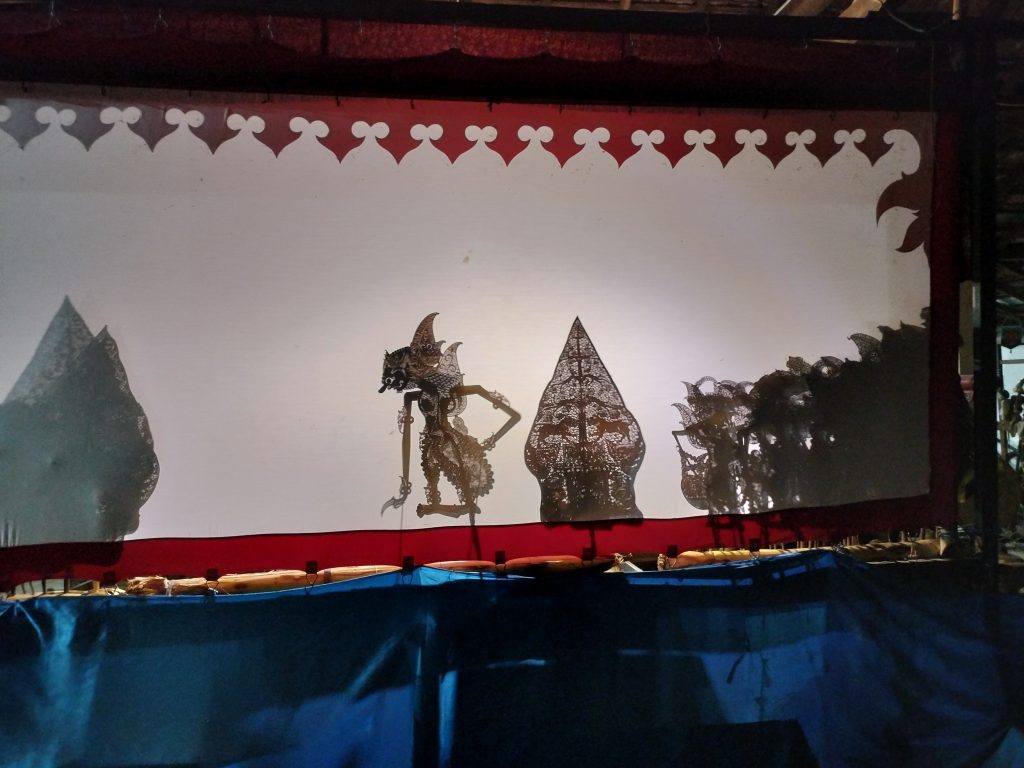
We like including or discussing Wayang because it helps guests understand how layered culture is in Indonesia. You are not just watching puppets. You are seeing how stories carry moral ideas, local politics, humour, and memory across generations.
From a safeguarding perspective, Wayang shows why recognition matters. It can support training and transmission, especially for younger generations growing up in a global media environment. But if it is reduced to a short and context-free tourist demonstration, people may see the surface without understanding the system behind it. That is exactly why context matters in how these experiences are included in travel.
Batik: Reading Cloth as Language
Batik is often one of the first Indonesian cultural traditions that visitors recognise. But it is often misunderstood as simply a textile style, when in fact the heritage lies in the technique, symbolism, regional distinctions, and knowledge passed through generations of makers.
We find Batik especially useful in tours because guests can feel their understanding shift quite quickly. At first, they notice colour and pattern. Then they begin to understand that specific motifs and methods carry local history, social meaning, and identity.
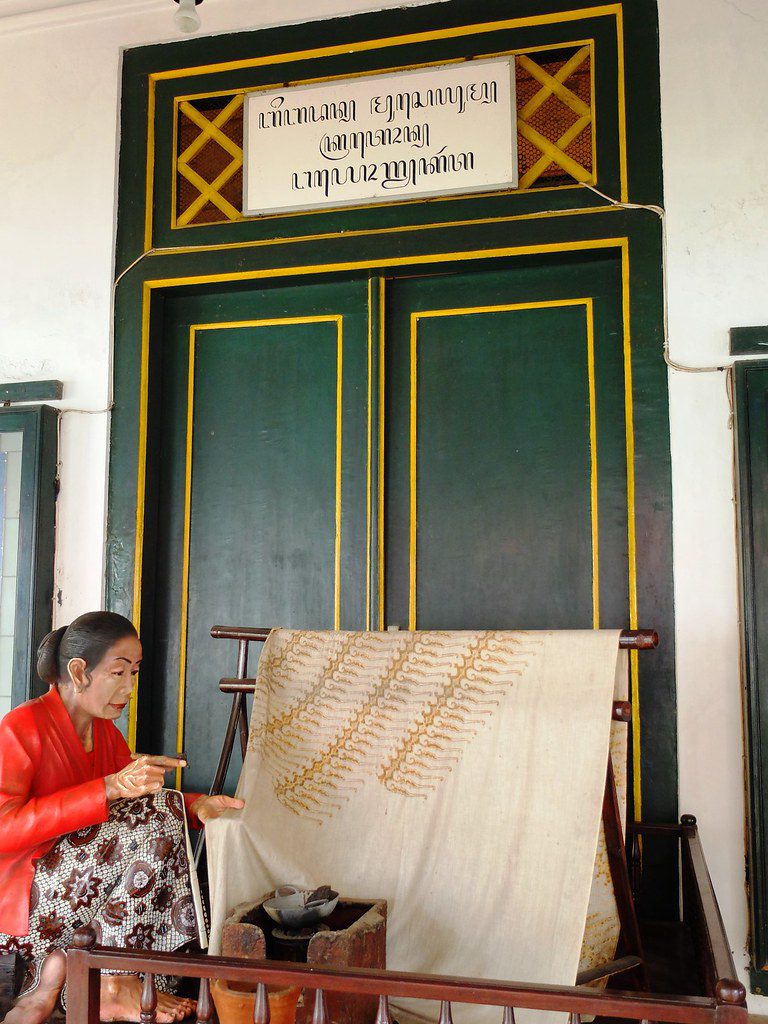
This is also a good example of the tension between visibility and preservation. UNESCO recognition can help reinforce pride and support traditional methods. But mass-market production can reduce Batik into a generic visual style detached from the knowledge that makes it meaningful. When we include Batik in a journey, we want it to slow people down and teach them to see, not just shop.
Angklung and Gamelan: Hearing Indonesia Differently
Music is one of the fastest ways to move beyond surface impressions, which is why Angklung and Gamelan matter so much. Both are UNESCO-recognised, and both show how culture in Indonesia is built through participation, listening, and social coordination.
Angklung works beautifully as an introduction because it is collaborative by nature. Each instrument carries a limited role, so the music only works when multiple people listen carefully and play together. We like that because guests feel a social principle, not just hear it explained.
Gamelan offers a different kind of depth. It is not simply performance music. It is tied to ceremony, theatre, rhythm, hierarchy, and wider ideas about harmony and order. Even a brief but well-explained encounter with Gamelan changes how guests experience a dance performance, a temple event, or village life afterward.
For us, these are ideal cultural experiences because they are not decorative. They actively improve how people understand the places they are travelling through.
Saman Dance and Balinese Dance: Respecting Context
Dance is one of the easiest heritage forms to market visually, but it is also one of the easiest to mishandle. UNESCO’s recognition of Saman dance and the three genres of traditional dance in Bali makes a useful point: not all performances exist in the same category, and not all of them should be treated as tourism products in the same way.
Saman dance from Aceh is renowned for its speed, precision, and group coordination, but its UNESCO status also reflects safeguarding concerns about continuity and transmission. Recognition can support the tradition, but only if the practice remains rooted in the communities that carry it.
Balinese dance traditions are even clearer on this point. UNESCO distinguishes sacred, semi-sacred, and entertainment genres, which matters enormously. We are careful with Balinese cultural experiences because not everything visible should be treated as a show. If guests understand what kind of dance they are seeing and in what setting, they do not just watch better – they understand Bali better. you can also read a previous article on the at-risk cultural heritage of the Reog Dance
Pinisi, Kris, and Noken: Skills, Objects, and Identity
Some intangible heritage is easy to overlook because the visible object gets more attention than the knowledge behind it. Pinisi boatbuilding, the Kris, and Noken all fall into that category.
Pinisi matters because the heritage is not just the finished boat. It is the craftsmanship, maritime memory, inherited technique, and practical knowledge that allow those vessels to exist at all. For a company like ours, that is especially important because Indonesia is a maritime world. Pinisi helps people understand the archipelago through skill and lived knowledge, not just geography.
The Kris is often reduced by outsiders to a dagger, and Noken to a woven bag. But both are embedded in wider systems of meaning, identity, spirituality, and community practice. Once guests see that, they stop reading them as objects and start reading them as cultural expressions.
Jamu, Pantun, and Pencak Silat: Heritage in Everyday Life
Three of the most useful forms of intangible heritage for interpretation are Jamu, Pantun, and Pencak Silat because they sit so close to daily life.
Jamu is traditional wellness knowledge rooted in ingredients, preparation, and generational practice. Pantun is oral poetry that carries wit, memory, and social communication. Pencak Silat is martial art, but also discipline, ethics, body knowledge, and community training.
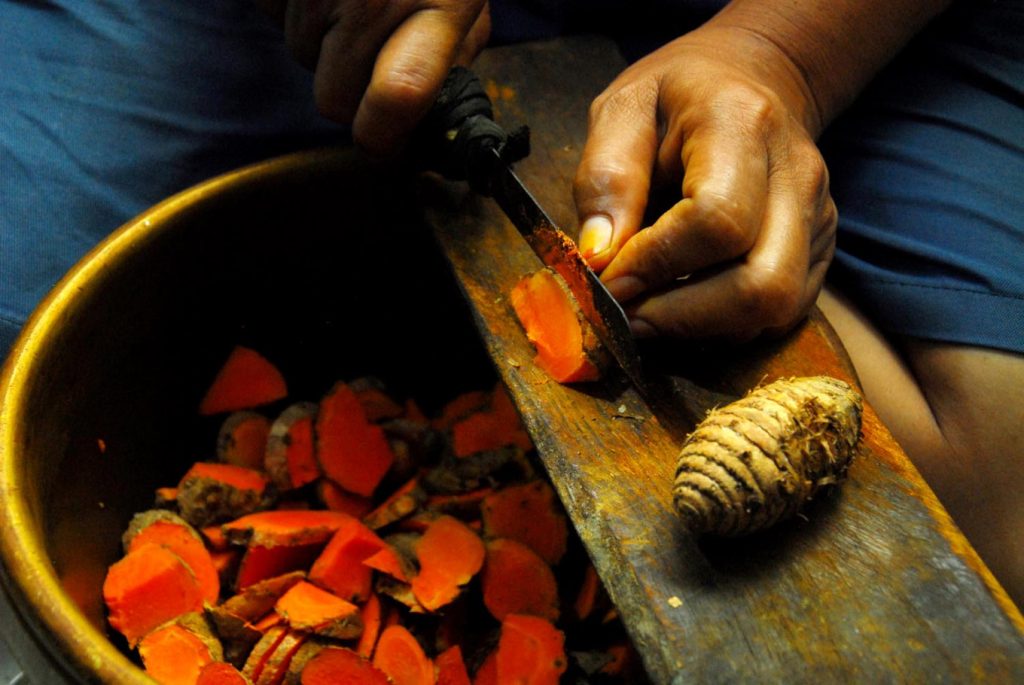
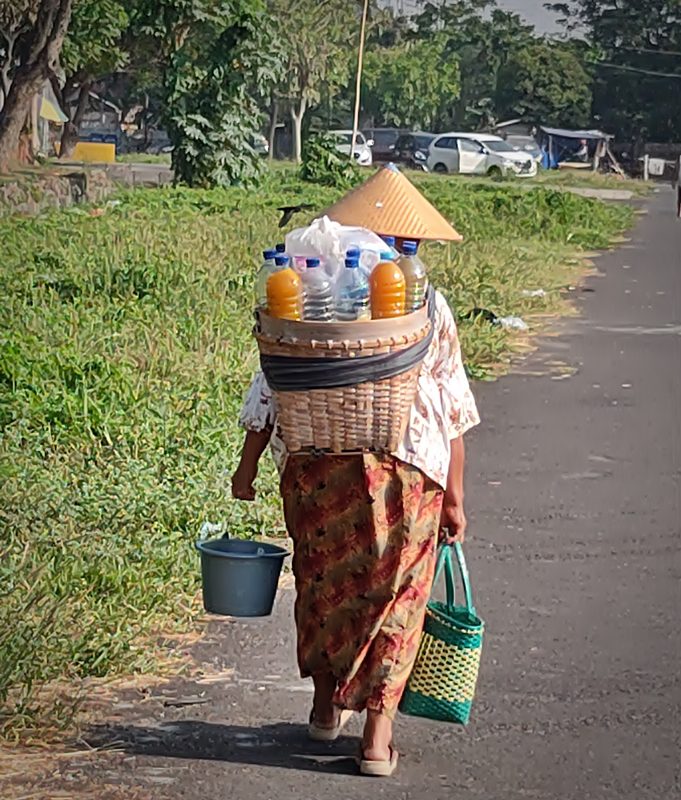
We like bringing these kinds of traditions into tours because they feel immediately human-scale. Guests do not need specialist knowledge to ask meaningful questions about healing, humour, movement, or discipline. These heritage forms show that Indonesian culture is not something separate from everyday life. It is woven into it.
Why We Intentionally Include Living Heritage in Tours
At Wicked Adventures, we intentionally include and discuss intangible heritage because it enriches the journey in a very practical way. Guests who understand Batik as language, Gamelan as structure, Jamu as knowledge, or Wayang as social memory move through Indonesia differently. They notice more. They ask better questions. They stop seeing culture as background scenery.
This also helps us build better trips. We are not interested in adding cultural experiences as filler between logistics. We use them to make the destination more legible, more human, and more rewarding. Done properly, these experiences do not interrupt the journey. They make the rest of it make more sense.
That is part of what we mean when we say Indonesia is home. We are not just trying to show guests where things are. We want to help them understand why they matter, how they are lived, and what they tell you about the country.
Indonesia’s Living Heritage Deserves More Than a Label
UNESCO recognition is valuable, and it absolutely helps shine a light on traditions that deserve support. But the label is not the heritage itself. Living traditions remain alive because communities continue to value them, practice them, and pass them on.
That is the standard we try to work with. We do not want intangible heritage reduced to a checklist item or a staged backdrop. We want it encountered in ways that deepen understanding and respect the fact that this is living culture, not just cultural content.
Indonesia’s intangible cultural heritage matters because it carries memory, identity, skill, and meaning across generations. For us, that is exactly why it belongs in the journey.