Beyond Borobudur: Discovering Indonesia’s UNESCO World Heritage Sites, Geoparks, and Living Cultural Heritage
Indonesia holds ten UNESCO World Heritage Sites, twelve intangible cultural heritage designations, twelve UNESCO Global Geoparks, and multiple biosphere reserves, yet most travelers I meet know only Borobudur. This vast archipelago of over 17,000 islands contains layers of heritage recognition that extend far beyond ancient temple complexes into living traditions, geological wonders, and ecosystems where communities and conservation intersect in ways that complicate simple narratives about protection and tourism. What I’ve come to understand after a decade working in Indonesian tourism is that superficial knowledge of Bali and Java misses the richness that defines this country.
What Are UNESCO World Heritage Sites and Why Does Indonesia Have So Many?
UNESCO World Heritage Sites represent places of outstanding universal value to humanity, at least in theory. Indonesia’s ten designated sites span natural wonders and cultural monuments, but this number tells only part of the story, and probably not the most interesting part.
The country’s geological position on the Pacific Ring of Fire, its role in human evolution, and its position as a cultural crossroads between Asia and the Pacific created heritage diversity unmatched in Southeast Asia. But here’s what makes Indonesia different from, say, European heritage sites I’ve visited: the heritage here isn’t separated from daily life behind velvet ropes and admission gates.
Beyond World Heritage Sites, UNESCO’s broader programs recognize intangible cultural heritage (living traditions passed through generations), Global Geoparks (geological heritage with scientific and educational value), and Biosphere Reserves (ecosystems demonstrating sustainable relationships between people and nature). Indonesia’s recognition across all four categories demonstrates heritage that exists not just in monuments you photograph, but in daily practice, landscape, and community knowledge, which is exactly the kind of tourism I’ve been trying to build for years.
Indonesia’s UNESCO Global Geoparks: Where Geology Shapes Culture
Twelve Geoparks Tell Earth’s Story
Indonesia now has twelve UNESCO Global Geoparks, with Kebumen in Central Java and Meratus in South Kalimantan most recently added in March 2025. These aren’t static museums, they’re living landscapes where geological forces shape how communities farm, fish, build homes, and understand their place in the natural world.
Meratus Geopark displays Indonesia’s oldest ophiolite series and significant diamond deposits, preserving a geological record from the Jurassic period 201 to 145 million years ago. What you see as a visitor isn’t just ancient rock formations but how geological features created the ecological conditions that shape Dayak traditional territories and resource management, which predates modern conservation planning by centuries.
Raja Ampat: Dual UNESCO Recognition
Raja Ampat received dual UNESCO recognition as both a Global Geopark (2023) and a Biosphere Reserve (2025), making it one of few places globally honored for both geological heritage and biodiversity. The archipelago contains over 610 islands with 75% of the world’s coral species and karst formations that create the dramatic seascapes everyone recognizes from Instagram.
This recognition comes as nickel mining threatens portions of the region, with concessions covering 22,000 hectares including areas overlapping coral reefs. The tension between conservation designation and development pressure illustrates something I’ve seen repeatedly in Indonesia: UNESCO recognition alone doesn’t guarantee protection. Community engagement and sustainable economic alternatives matter as much as official status, maybe more.
Volcanic Heritage at Lake Toba and Batur
Lake Toba Caldera in North Sumatra (the world’s largest volcanic crater lake) anchors another geopark. The catastrophic eruption 74,000 years ago affected global climate patterns and remains visible in landscapes where Batak communities now cultivate rice, raise fish in floating cages, and maintain traditional architecture adapted to volcanic terrain.
Batur Geopark in Bali encompasses the active volcano Mount Batur and the ancient caldera, demonstrating ongoing volcanic processes tourists can witness. The geopark includes traditional villages that have developed agricultural systems and spiritual practices specifically adapted to life on a volcano that last erupted in 2000, which gives you a different perspective on “sustainable development” than what you’d learn in a Swedish university classroom.
UNESCO Biosphere Reserves: Conservation That Includes Communities
What Makes Biosphere Reserves Different
UNESCO’s Man and Biosphere Programme designates areas where conservation, sustainable development, and scientific research converge. Unlike parks that emphasize preservation by excluding people (the Yellowstone model that still dominates Western conservation thinking), biosphere reserves explicitly recognize that long-term conservation requires partnership with communities who depend on these ecosystems.
From my experience working with communities around protected areas in Indonesia, this approach makes infinitely more sense than top-down preservation models imposed by outside experts.
Komodo Biosphere Reserve: Protecting Dragons and Livelihoods
Komodo became a Biosphere Reserve in 1977, decades before achieving World Heritage status in 1991. The reserve encompasses 1.1 million hectares (70% marine) supporting not just 5,000 Komodo dragons but also 260+ coral species and over 1,000 fish species.
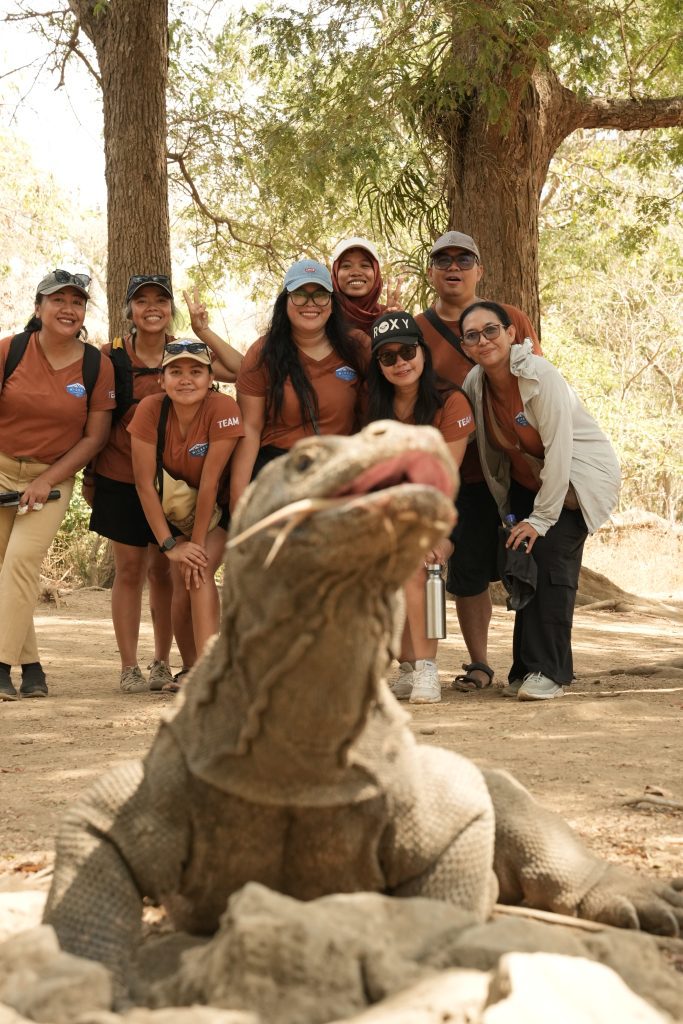
The terrestrial ecosystems include grassland, savannah, monsoon forest, and mangroves, situated in a transition zone between Australian and Asian flora and fauna that creates exceptional biodiversity. Local communities in and around the reserve have fishing rights and tourism involvement that provide economic alternatives to activities incompatible with conservation, though the balance remains complicated and sometimes contentious.
Raja Ampat Biosphere Reserve: Marine Conservation at Scale
Raja Ampat’s 2025 biosphere designation covers approximately 135,000 square kilometers with protection extending to marine areas where indigenous Papuan knowledge guides sustainable fishing practices. The designation recognizes not just biodiversity but also traditional marine tenure systems where specific clans hold rights and responsibilities for reef areas, indigenous management that predates modern conservation by centuries and often works better than externally imposed regulations.
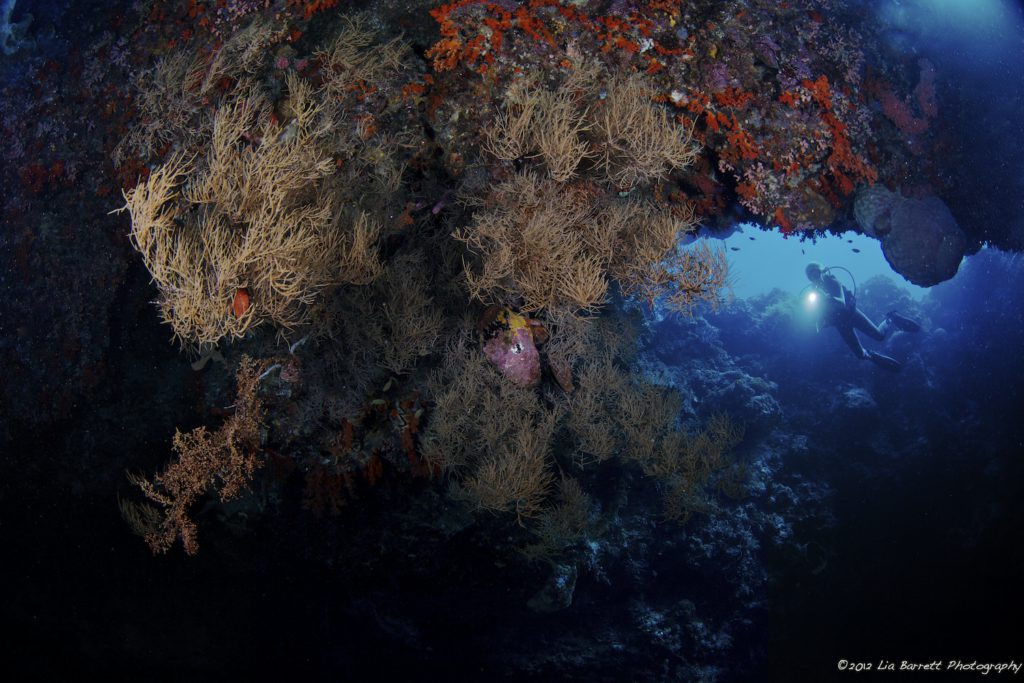
These biosphere reserves function as “living laboratories” where communities, scientists, and governments collaborate on conserving biodiversity while promoting sustainable socio-economic development. About 275 million people worldwide live within the 700+ biosphere reserves across 130+ countries, demonstrating that conservation at scale requires human dimensions, not just biological ones.
Indonesia’s Intangible Cultural Heritage: Traditions That Live in Practice
Twelve Living Heritage Designations
Indonesia’s twelve UNESCO intangible cultural heritage designations recognize living practices passed through generations, knowledge systems that exist in performance, craft, ceremony, and daily practice rather than objects you can touch or photograph. Unlike monuments, these heritage forms survive only through transmission from masters to students, parents to children, communities to newcomers, which makes them simultaneously more fragile and more alive than physical structures.
Gamelan: Music as Cosmology
Gamelan, inscribed in 2021, represents far more than bronze instruments arranged on ornate stands. The music embodies Javanese cosmology, social organization, and artistic philosophy where individual musicians subordinate personal expression to collective harmony, a concept that challenges Western ideas about artistic creativity and individual genius.
Court gamelan performances follow spiritual protocols, while village gamelan accompanies ceremonies that mark life transitions and agricultural cycles. Learning gamelan requires apprenticeship in not just musical technique but also the spiritual discipline and social understanding that make the music meaningful. This transmission of integrated knowledge (technical, spiritual, social) defines intangible heritage in ways that academic definitions struggle to capture.
Batik: Cloth That Carries Meaning
Batik, recognized in 2009, isn’t just fabric decoration using wax-resist dyeing. Patterns carry meanings tied to social status, regional identity, and ritual appropriateness. Certain patterns remain reserved for royal courts, others mark life transitions, still others identify the wearer’s home region to those who can read the visual language.
Traditional batik production involves spiritual preparation (especially for court patterns) and technical mastery that takes years to develop. Machine-printed “batik” fabric floods markets, but UNESCO recognition emphasizes hand-drawn and hand-stamped techniques where knowledge passes from master craftspeople to apprentices, which creates challenges for preservation in a market economy that values speed and low cost over traditional skill.
Subak: Democratic Water Management Rooted in Spirituality
The Subak irrigation system of Bali, recognized in 2012 as part of the Cultural Landscape of Bali Province World Heritage Site, demonstrates democratic water management rooted in the Tri Hita Karana philosophy balancing spiritual, human, and environmental realms.
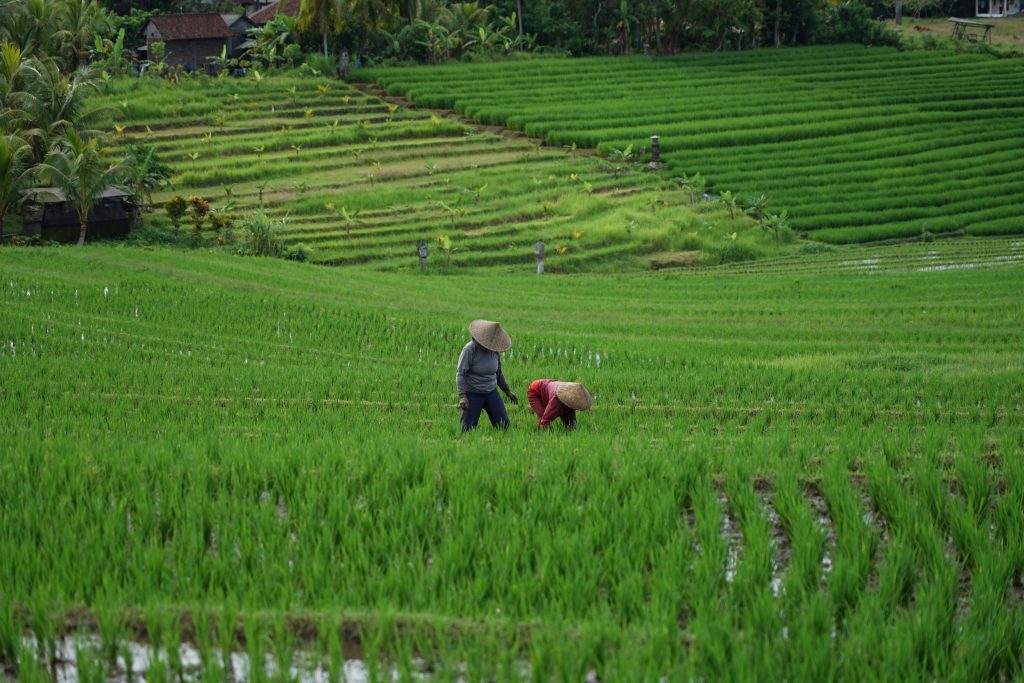
Subak organizations operate as democratic assemblies where farmers collectively decide planting schedules, water distribution, and ceremonial calendars. The system integrates engineering (tunnel systems carved through volcanic rock), ecology (pest management through synchronized planting), spirituality (offerings at water temples), and governance (democratic decision-making by water users) into a holistic approach to rice cultivation that has sustained communities for over 1,000 years. When people ask me about sustainable tourism models, I point them to Subak, it’s been working longer than any Western sustainability framework has existed.
Other Intangible Heritage: Martial Arts, Boats, Traditional Medicine
Pencak Silat martial arts (2019), Pinisi boatbuilding from South Sulawesi (2017), and the Noken bag craft of Papua (2012) each represent knowledge systems where technique, spirituality, and social function intertwine. Jamu wellness culture, added in 2023, encompasses traditional herbal medicine practices maintained primarily by women across generations.
Indonesia submitted three new nominations for intangible cultural heritage recognition in 2026, including the Culture of Tempe (fermented soybean production and culinary traditions) and Mak Yong theatre. The country is also seeking a seat on UNESCO’s Intergovernmental Committee for the Safeguarding of Intangible Cultural Heritage for 2026-2030 and has proposed establishing an Asia-Pacific Center for Community-Based Safeguarding of Intangible Cultural Heritage, which aligns with Indonesia’s growing confidence in positioning itself as a heritage leader rather than just a recipient of outside expertise.
Indonesia’s Cultural World Heritage Sites Beyond Borobudur
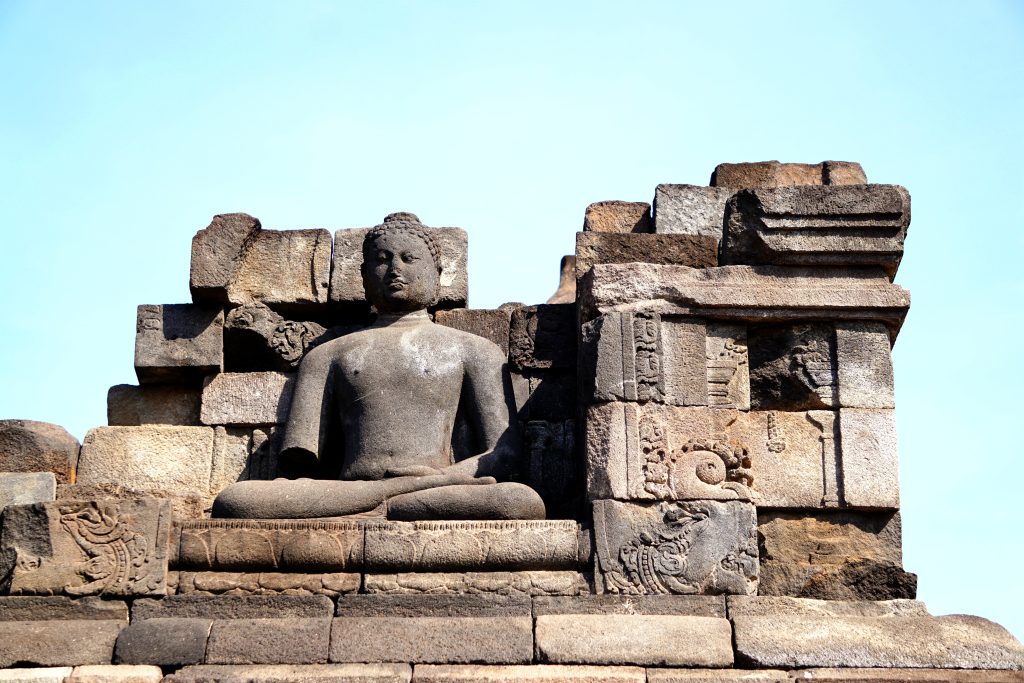
While Borobudur (inscribed 1991) remains Indonesia’s most visited UNESCO World Heritage Site, five other cultural properties tell equally compelling stories about this archipelago’s role in human history and cultural development.
Prambanan: Hindu Architecture’s Pinnacle
Prambanan Temple Compounds (1991) represent the pinnacle of Hindu architecture in Java, built in the 9th century during the Sanjaya dynasty. The complex includes 240 temples, with the three main temples dedicated to Trimurti: Shiva, Vishnu, and Brahma. The architectural sophistication and extensive bas-reliefs depicting the Ramayana demonstrate cultural exchanges across maritime Southeast Asia that complicate simplistic narratives about isolated island cultures.
Sangiran: Evidence of Human Evolution
Sangiran Early Man Site (1996) contains fossils documenting human evolution over 1.5 million years, including significant Homo erectus discoveries that changed scientific understanding of human migration from Africa. The site provides 50+ individual specimens representing various evolutionary stages, making it one of the world’s most important paleoanthropological sites, though it receives a fraction of Borobudur’s visitors.
The Cosmological Axis of Yogyakarta: Heritage in Spatial Relationships
The Cosmological Axis of Yogyakarta and its Historic Landmarks, inscribed in 2023, recognizes not a single monument but an entire urban landscape organized according to Hindu-Buddhist cosmological principles. The designation acknowledges that heritage exists in spatial relationships and cultural geography, not just buildings you can point a camera at.
The axis runs from Mount Merapi (representing the realm of gods) through the Sultan’s palace to the Indian Ocean (representing the underworld), with temples, markets, and settlements positioned according to spiritual geography. This designation represents UNESCO’s evolving understanding that heritage includes how communities organize space according to cultural logic, which is a big shift from earlier monument-focused thinking.
Industrial Heritage: Ombilin Coal Mining
The Ombilin Coal Mining Heritage of Sawahlunto (2019) represents industrial heritage: the infrastructure, company towns, and social systems of colonial-era coal extraction from the 1890s through independence. Sawahlunto’s recognition demonstrates that heritage encompasses difficult histories and working landscapes, not just ancient temples or natural wonders, which makes some people uncomfortable but seems honest to me.
Tana Toraja: On the Tentative List
Tana Toraja Traditional Settlement has been on Indonesia’s Tentative List since 2009, awaiting full World Heritage inscription. The nominated sites include tongkonan houses with distinctive boat-shaped roofs, cliff burials (liang), ceremonial grounds with menhirs (rante), and the surrounding agricultural landscape.
These settlements retain characteristics of early Austronesian culture visible in cosmology, elaborate funeral ceremonies, house design, and the central role of water buffalo in social and spiritual life. The continued practice of traditional ceremonies (some involving hundreds of buffalo sacrifices) makes Tana Toraja an example of living heritage where UNESCO designation would recognize both cultural landscape and ongoing practice, though the relationship between tourism and ceremony preservation gets complicated fast.
Indonesia’s Natural World Heritage: Ecosystems Under Pressure
Indonesia’s four natural World Heritage Sites (Ujung Kulon, Komodo, Lorentz, and the Tropical Rainforest Heritage of Sumatra) protect ecosystems of global significance.
Ujung Kulon National Park (1991) provides the last refuge for Javan rhinoceros, with fewer than 80 individuals surviving in this single location. Lorentz National Park contains the complete altitudinal range from tropical marine environments to equatorial glaciers, the only place in Southeast Asia where glaciers exist.
The Tropical Rainforest Heritage of Sumatra, inscribed in 2004, encompasses three parks protecting 2.5 million hectares of rainforest habitat for Sumatran orangutans, tigers, rhinos, and elephants. Despite protected status, these areas face ongoing threats from encroachment, poaching, and illegal logging, the tension between conservation ideals and community needs, development pressures, and enforcement capacity that defines much of Indonesia’s conservation reality and which no amount of UNESCO designation magically resolves.
Understanding Indonesia’s Heritage: What It Means for Travelers
Indonesia’s UNESCO sites reveal a pattern I’ve seen throughout my time here: heritage isn’t separate from daily life. Farmers still work the rice terraces of the Subak system, conducting ceremonies at water temples before each planting season. Communities around Raja Ampat navigate conservation requirements while maintaining fishing livelihoods their ancestors practiced for millennia. Torajan families still conduct elaborate funeral ceremonies in traditional settlements, maintaining cultural practices despite modernization pressures.
The country positions itself as a leader in community-based heritage safeguarding, emphasizing that protection works when communities benefit from conservation rather than suffer restrictions imposed from outside. Indonesia’s proposal for an Asia-Pacific UNESCO Category 2 center reflects this approach: heritage as a tool for cultural preservation, knowledge exchange, and sustainable development.
The archipelago’s 17,000+ islands contain hundreds of distinct ethnic groups, languages, and cultural practices. UNESCO recognition touches only a fraction of this diversity, but the designations signal something important: Indonesia’s richness extends far beyond a few famous temples to living traditions, geological wonders, and ecosystems where human and natural heritage remain inseparable.
Experiencing Indonesia’s UNESCO Heritage Responsibly
This is the Indonesia I know, not just monuments to photograph, but places where geology shapes culture, where traditions adapt while retaining meaning, where conservation requires partnership with communities who’ve lived in these landscapes for generations. It’s complicated, sometimes messy, always fascinating, and impossible to reduce to a few bucket-list sites.
Understanding these layers of heritage recognition helps travelers move beyond superficial tourism toward meaningful encounters with the communities, ecosystems, and traditions that make Indonesia extraordinary. When you visit a Subak-irrigated rice terrace, you’re not just seeing scenic landscape, you’re witnessing a democratic water management system recognized for its integration of ecology, spirituality, and governance. When you kayak through Raja Ampat’s karst islands, you’re traveling through a landscape recognized for both geological heritage and community-based marine conservation.
Heritage tourism done right requires local guides who understand not just where sites are located, but what they mean: the stories, practices, and relationships that give places significance. It requires moving slowly enough to understand complexity rather than checking boxes on a bucket list. And it requires recognizing that the best experiences often happen in places without UNESCO plaques, in communities maintaining traditions that haven’t yet acheived international recognition.